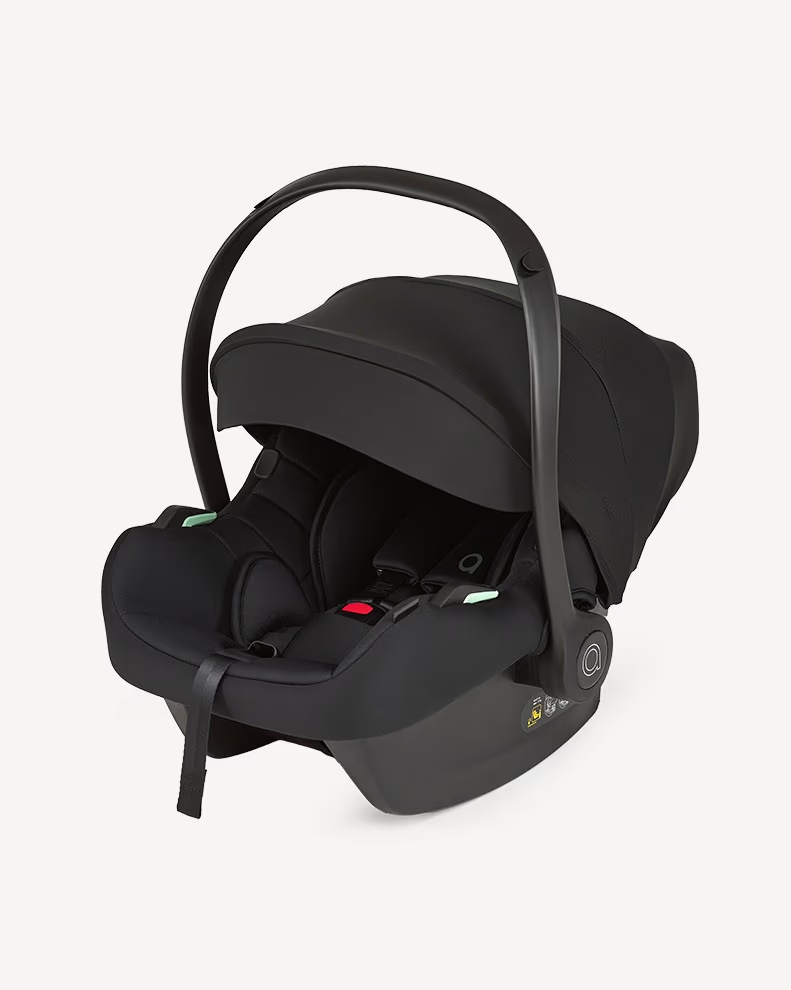
Installing a child car seat correctly is not just a recommendation: it is directly a matter of safety. Many parents think that “adjusting it more or less” is enough, but even a small mistake can greatly reduce protection in the event of sudden braking or an accident. That is why it is essential to understand how to correctly place the baby seat in the car and what mistakes to avoid.
How to Properly Install a Car SeatWhy is correct installation so important?
A baby’s body is very different from that of an adult. Their head is proportionally heavier, their neck is weak, and their spine is still developing. In the event of an impact, poor installation can cause the seat to move, rotate, or fail to absorb the force as it should. Knowing how a baby should sit in the car can make the difference between a scare and a serious injury.
Step 1: Choosing the right seat in the car
The safest place to install a child seat is usually the rear seat. Preferably:
A rear-facing seat should never be placed in the front seat with an active airbag. This detail is essential when discussing how to correctly place a baby seat in the car.
Step 2: Seat orientation
One of the most important points about how babies should ride in the car is the orientation:
Rear-facing (facing backwards) for as long as possible.
This position better protects the head, neck, and spine in the event of a frontal collision, which is the most common type.
Many parents switch to the forward-facing position too early for convenience, but from a safety point of view, the longer the child stays rear-facing, the better.
Step 3: Securing the seat
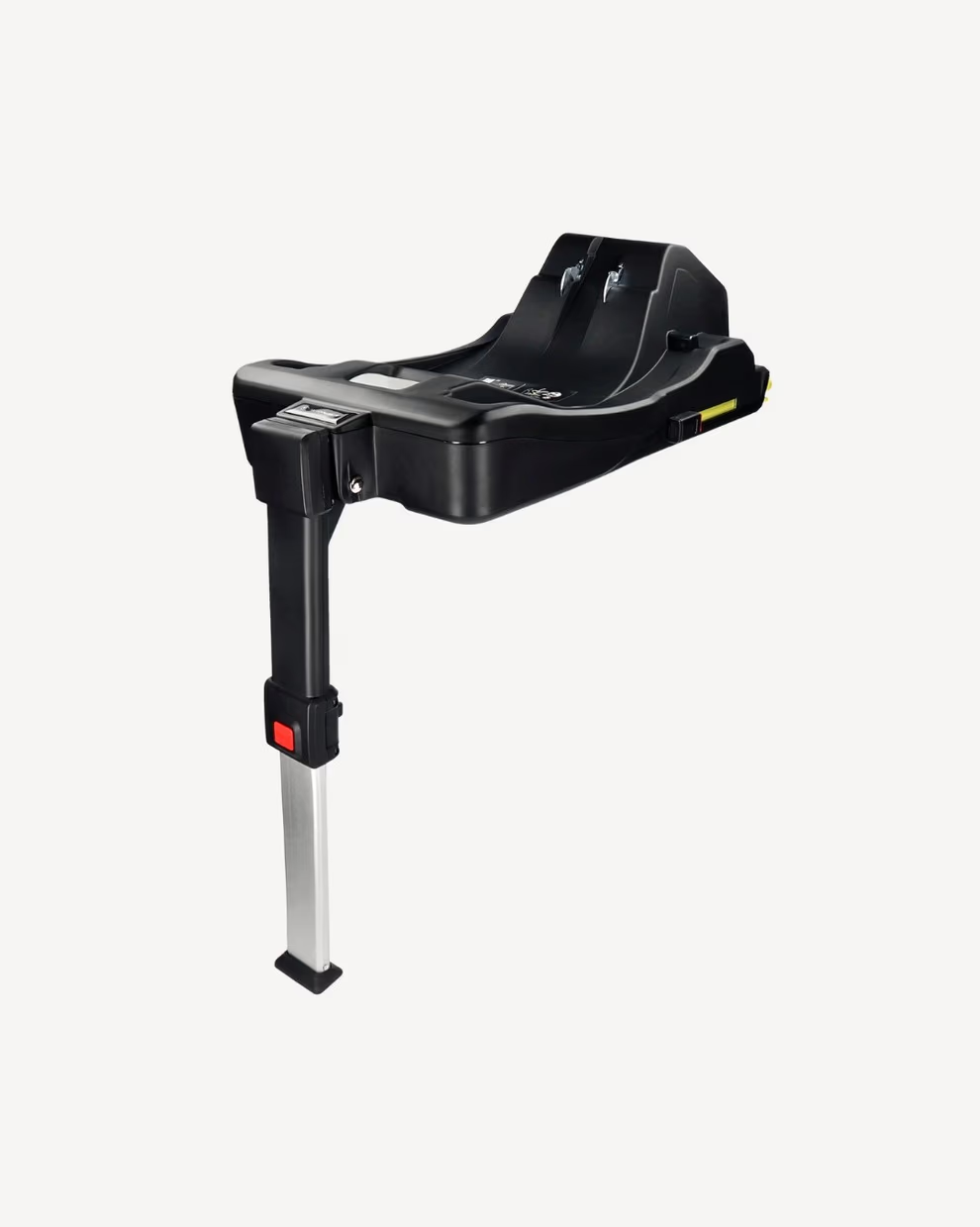
There are two main systems:
A simple rule to check whether you know how to correctly place the baby seat in the car: the seat should not move more than 2–3 cm to the sides when pushed firmly.
Step 4: Correct position of the baby
It is not enough to install the seat correctly; it also matters how the baby sits inside it.
Thick coats are a common mistake because they create false space and prevent the harness from holding properly. It is better to fasten the baby without a coat and then cover them with a blanket.
Step 5: Recline angle
Especially for small babies, the seat must have the correct recline angle to prevent the head from falling forward, which can make breathing difficult. Many seats have indicators or level lines. This detail is crucial when learning how babies should ride safely in the car.
Common mistakes to avoid
Regular checks
Children grow quickly. From time to time it is important to check:
Knowing how to correctly place a baby seat in the car is not something done only once, but a continuous safety habit.
A child seat is the baby’s “seat belt.” Installing it correctly, keeping it rear-facing for as long as possible, and properly adjusting the harness are essential steps. Truly understanding how a baby should sit in the car helps ensure that every trip, no matter how short, is much safer.